If your swimming pool is starting to look worn, faded, or rough underfoot, you’ve probably asked yourself a very common question: should I paint the pool or fully resurface it?
The answer isn’t as simple as choosing the cheaper option. It comes down to budget, the condition of the pool, and how long you want the results to last. In this guide, we’ll break down both options in detail—covering costs, lifespan, pros and cons—so you can make a confident decision.
You Might Also Read:
What’s the Difference Between Pool Painting and Resurfacing?
Before comparing costs and durability, it’s important to understand what each option actually involves.
Pool Painting
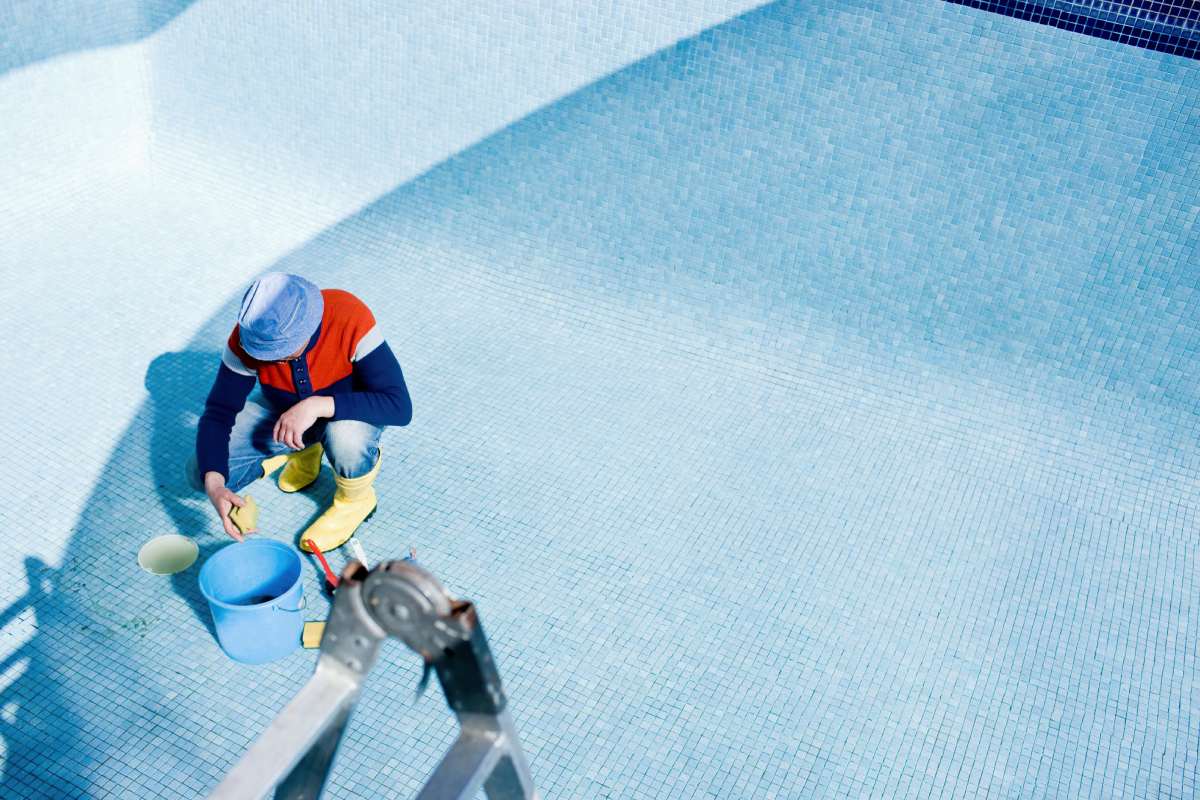
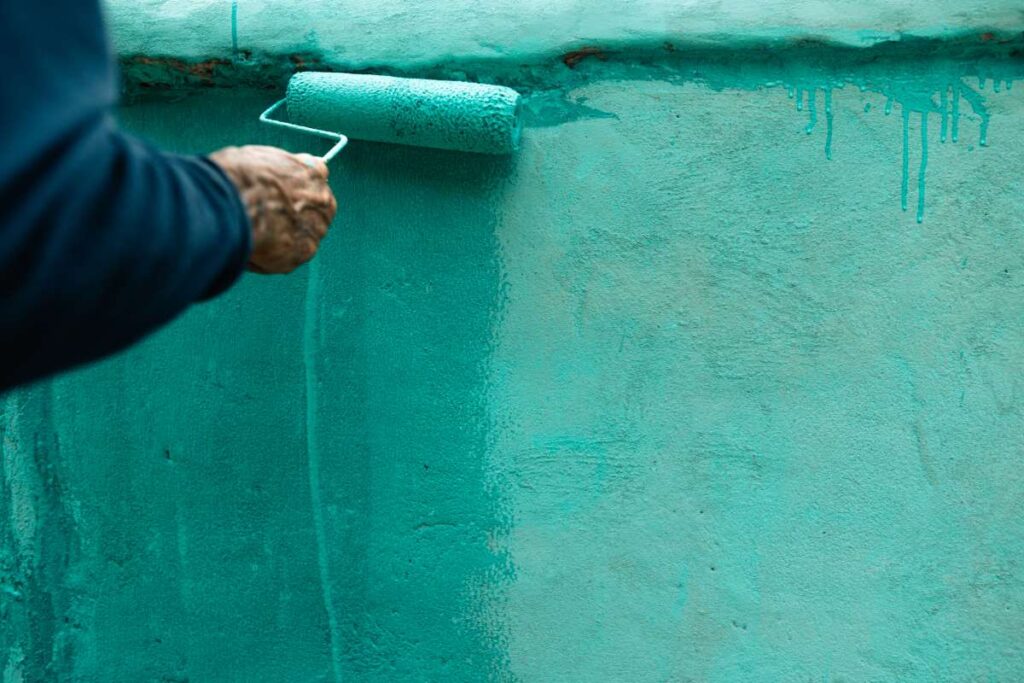
Painting is essentially a cosmetic upgrade. A layer of specialised pool paint (usually epoxy or acrylic) is applied over the existing surface to improve appearance and provide a temporary protective coating.
Pool Resurfacing
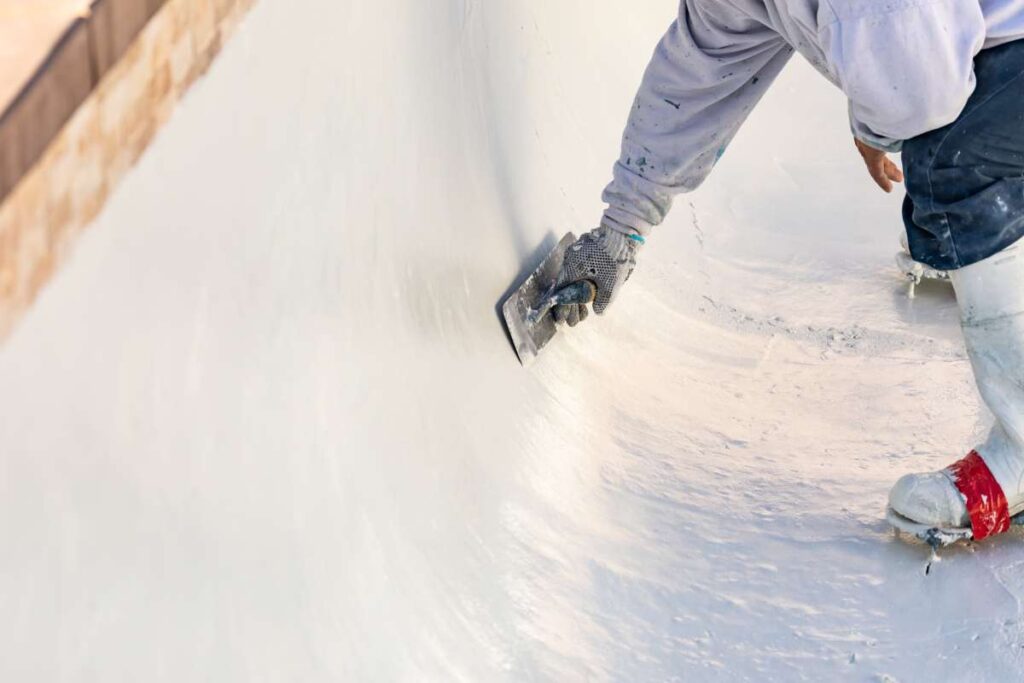
Resurfacing is a structural renovation. It involves removing or preparing the existing surface and applying a completely new interior finish such as plaster, quartz, pebble, or fibreglass.
Think of it this way:
- Painting = quick refresh
- Resurfacing = long-term rebuild
Cost Comparison: Painting vs Resurfacing
Cost of Painting a Pool
Painting is by far the most affordable option.
- Typical cost: $600 – $2,000 (DIY)
- Professional jobs: around $1,500+ depending on size
- Cost per m² (approx.): $1–$2 per square foot
This makes painting attractive if you:
- Are on a tight budget
- Want a quick visual improvement
- Plan to sell the property soon
However, the lower upfront cost comes with trade-offs (we’ll cover lifespan shortly).
Cost of Pool Resurfacing
Resurfacing is significantly more expensive because it involves labour, materials, and structural work.
- Typical cost: $6,000 – $15,000+
- High-end finishes (tile, premium aggregate): $15,000 – $30,000+
Cost varies based on the material:
| Finish Type | Average Cost | Notes |
|---|---|---|
| Plaster | $6,000 – $8,000 | Budget-friendly resurfacing |
| Quartz | $7,000 – $10,000 | More durable, better appearance |
| Pebble | $7,000 – $15,000 | Premium, long-lasting |
| Tile | $8,000 – $30,000+ | Luxury option |
While the upfront cost is higher, resurfacing is a long-term investment.
Lifespan: How Long Does Each Option Last?
Lifespan of Pool Paint
Pool paint is temporary by nature.
- Acrylic paint: 2–4 years
- Epoxy paint: 5–7 years (up to 10 in ideal conditions)
- Typical range: 3–7 years overall
Paint tends to deteriorate due to:
- UV exposure
- Pool chemicals
- Poor water balance
- Surface wear
This means you’ll need to repaint multiple times over the life of your pool.
Lifespan of Pool Resurfacing
Resurfacing offers significantly longer durability.
- Plaster: 7–12 years
- Quartz: 10–15 years
- Pebble: 15–25 years
- Tile: 20–30+ years
Resurfacing materials bond directly to the pool structure, making them far more resistant to:
- Cracking
- Staining
- Chemical damage
Cost vs Lifespan: Which Offers Better Value?
At first glance, painting looks like the clear winner. But when you consider long-term costs, the story changes.
Example Comparison Over 15 Years
Painting:
- Repaint every 5 years
- 3 repaint cycles
- Total: ~$3,000–$6,000
Resurfacing (plaster or quartz):
- One resurfacing job
- Total: ~$6,000–$10,000
So while painting is cheaper upfront, resurfacing:
- Requires fewer interruptions
- Adds property value
- Improves durability
In many cases, resurfacing offers better long-term value, especially for homeowners planning to stay in their property.
When Painting Is the Better Option
Painting can still be the right choice in certain situations.
Choose painting if:
- Your pool surface is structurally sound
- You only have cosmetic issues (fading, stains)
- You need a low-cost solution
- You want a quick refresh before selling
Painting is also ideal for:
- Rental properties
- Short-term fixes
- Budget-conscious homeowners
When Resurfacing Is the Better Option
Resurfacing is the smarter choice when your pool has deeper issues.
Choose resurfacing if:
- The surface is rough or flaking
- There are cracks or structural damage
- The pool is leaking or losing water
- You want a long-term solution
Resurfacing is also best if you:
- Plan to stay in your home long-term
- Want a premium look and feel
- Want to reduce maintenance costs
Maintenance Differences
Painted Pools
- Require more frequent touch-ups
- More sensitive to chemical imbalance
- Can peel or blister over time
Resurfaced Pools
- More durable and stable
- Easier to maintain water chemistry
- Require less frequent major work
Over time, resurfaced pools generally require less effort and fewer repairs.
Appearance and Finish
Another major difference is aesthetics.
Painted Pools
- Smooth finish
- Limited texture options
- Colour may fade over time
Resurfaced Pools
- Wide range of finishes (plaster, quartz, pebble, tile)
- More luxurious appearance
- Better colour retention
If visual appeal is important—especially for modern homes—resurfacing offers far more flexibility.
Which Option Adds More Property Value?
Resurfacing almost always adds more value to your home.
Why?
- It signals structural integrity
- It reduces future maintenance for buyers
- It enhances visual appeal
Painting, on the other hand, may be seen as a temporary fix during inspections.
A Practical Recommendation
For most homeowners, the decision comes down to this:
- Short-term fix → Paint
- Long-term investment → Resurface
If your pool is in good condition and you just want to improve its look, painting is perfectly acceptable.
But if your pool is ageing or showing signs of wear, resurfacing is usually the smarter financial decision over time.
Final Thoughts
Choosing between painting and resurfacing your pool isn’t just about cost—it’s about value, durability, and your long-term plans.
Painting offers:
- Low upfront cost
- Quick transformation
- Short lifespan
Resurfacing offers:
- Higher upfront cost
- Long lifespan
- Better durability and aesthetics
If you’re unsure which option is right for your pool, it’s always worth getting expert advice. Companies like West Coast Pool Resurfacing can assess your pool’s condition and recommend the most cost-effective solution based on your needs—whether that’s a simple repaint or a full resurfacing upgrade.
In many cases, investing in a professional resurfacing service can save you money in the long run by avoiding repeated repainting and ongoing maintenance issues.